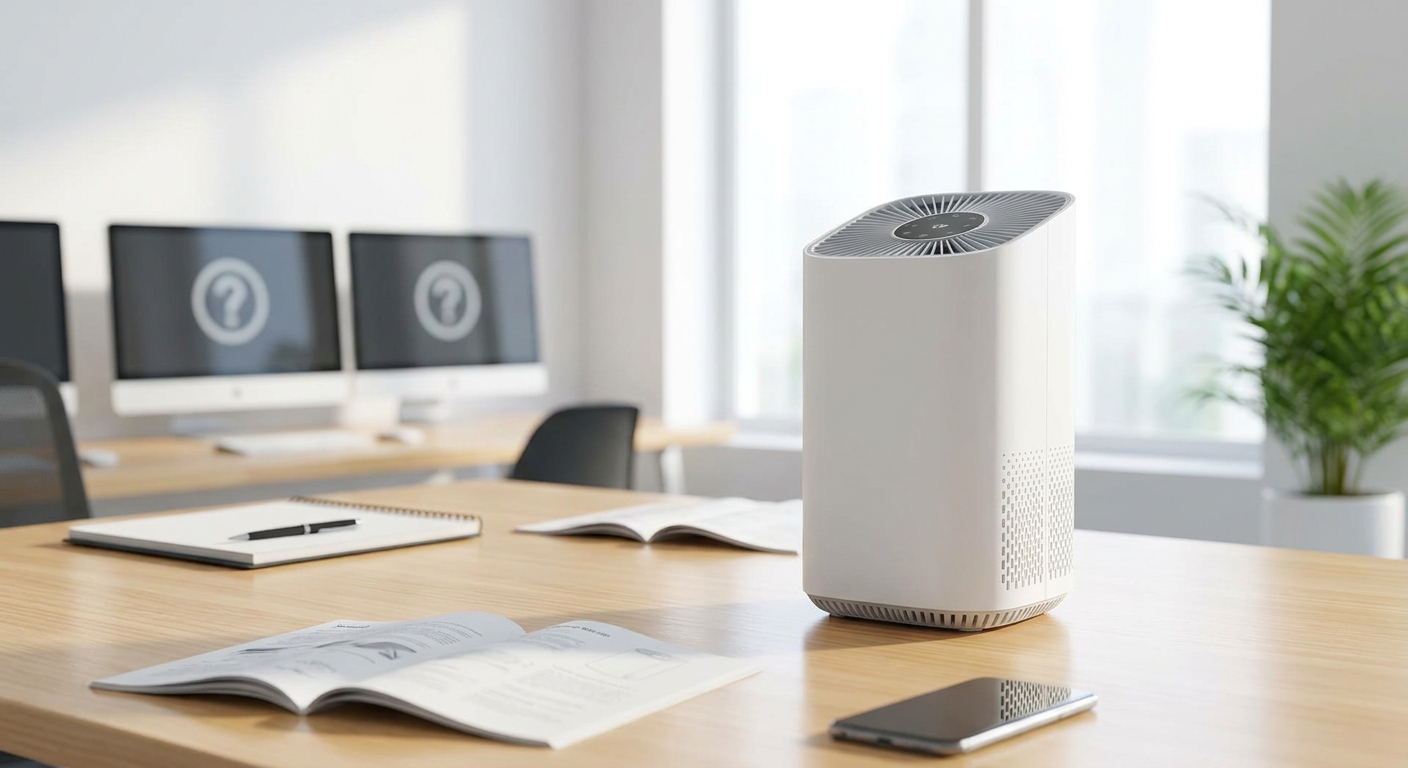
FAQ About Air Purifiers: Your Common Questions Answered
What Exactly Does an Air Purifier Do?
Air purifiers are devices designed to remove contaminants from the air in closed spaces. They help improve indoor air quality by filtering out dust, pollen, mold spores, pet dander, and even smoke. This can be especially beneficial for those with allergies or respiratory conditions. By circulating and cleaning the air, air purifiers can create a healthier living environment for you and your loved ones.
How Do I Know If I Need an Air Purifier?
If you frequently experience allergies, asthma, or other respiratory issues, you might benefit from an air purifier. Signs that indicate the need for an air purifier include:
Assessing your home environment can help you determine if an air purifier is right for you.
What Types of Air Purifiers Are Available?
Air purifiers come in various types, each using different technologies:
Choosing the right type depends on your specific needs, such as whether you're more concerned with allergens, odors, or germs.
How Often Should I Replace the Filters?
Filter replacement frequency depends on the type of air purifier you have and the environment it's used in. Generally:
Check the manufacturer's recommendations and keep an eye on filter indicators if your model includes them.
Can I Use an Air Purifier While Sleeping?
Absolutely! Using an air purifier while you sleep can help enhance your sleep quality by reducing allergens in the air. Many modern air purifiers operate quietly and come with features such as night modes, which dim lights and reduce noise levels. Just place it at least a few feet from your bed for optimal airflow.
Are Air Purifiers Cost-Effective?
The cost-effectiveness of air purifiers can be assessed through the health benefits they provide. While the initial purchase may seem high, improving air quality can lead to fewer allergies, fewer sick days, and overall better health. Plus, there's potential for energy savings as cleaner air can reduce strain on heating and cooling systems. Ultimately, the investment can lead to significant long-term savings on health care costs.
Where Can I Get Air Purifier Repair Services?
If your air purifier is malfunctioning, it's important to get it fixed to maintain optimal air quality. You can find reliable air purifier repair services at mannubhai.com. Regular maintenance ensures longevity and efficacy, so don’t hesitate to seek out professional help when needed.
These FAQs should help clarify some common queries about air purifiers. Understanding their functions and benefits is key to making an informed decision to enhance your indoor air quality.